

The thirteenth IBSA Foundation Fellowships concluded with a record number of applications and awards going to seven researchers in Barcelona: an acknowledgement of the international scientific talent and a programme that, year after year, continues to grow.
The 2025 call for applications covered six treatment areas: dermatology, endocrinology, fertility and urology, healthy ageing and regenerative medicine, pain medicine, rheumatology and orthopaedics. This year, IBSA Foundation made available six scholarships for €32,000 each. There was also a new award this year: the Research Equity Prize, an additional €5,000 for researchers working with limited resources, designed to boost the impact of the programme and promote fairness in scientific research at global level.
2025: facts and figures
The thirteenth Fellowships programme received 398 applications from institutions in 64 countries, the highest number in its history and an increase of more than 53% compared to the 259 the previous year. Women comprised 60% of the total (238 out of 398). The highest number of applications came from Italy (178), followed by Switzerland (34), the US (31), Spain (26) and the UK (11). In terms of treatment areas, healthy ageing and regenerative medicine saw the most applications at 136, more than a third of the total, followed by pain medicine, rheumatology and orthopaedics (75) and endocrinology (70).
Spain deserves a special mention. Over thirteen years, 6 Spanish researchers have been awarded scholarships and, each year, applications received from institutions in Spain continue to be among the most numerous: a sign of the consistent quality and energy of the Iberian scientific community.
The awards ceremony
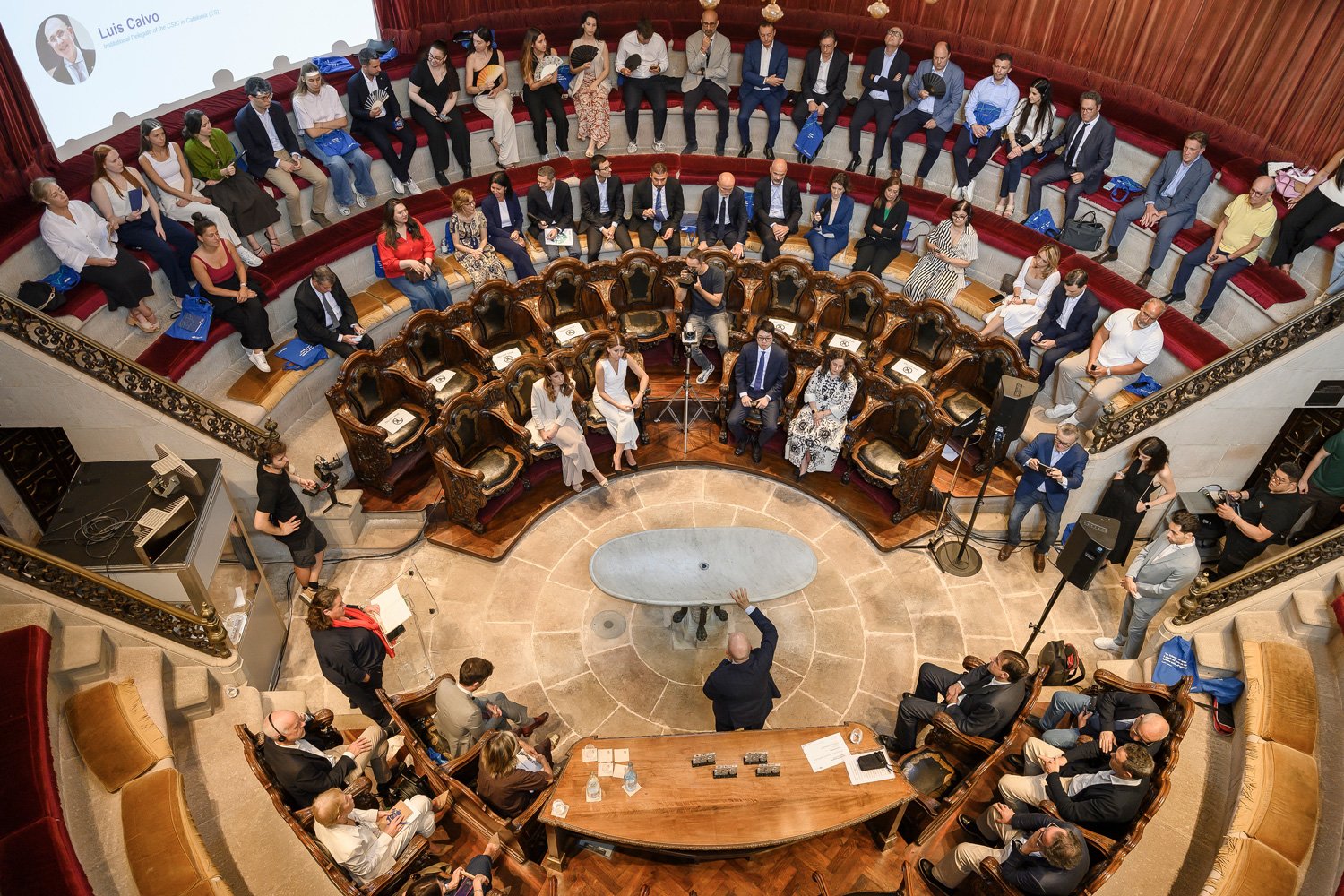
Barcelona, 29 May 2026 – It was the steadfast and growing participation of Spain's scientific community that led IBSA Foundation to choose Barcelona for this year's event: the Real Academia de Medicina de Cataluña, in the heart of a city with one of the most highly developed biomedical ecosystems in Europe, hosted the awards ceremony in the presence of the Scientific Committee, IBSA Iberia and key players from the academic and institutional world.
The round table: young researchers, career paths and the future of science in Spain
Prior to the ceremony there was a round table entitled "Empowering Young Talent, Inspiring Tomorrow's Science", moderated by journalist Belén Diego. The focus of the debate included the working conditions for young researchers in Spain today. What opportunities does the system offer? What obstacles are still slowing down career paths? And how can public institutions, industry and private foundations work together to build a more robust and attractive scientific ecosystem?
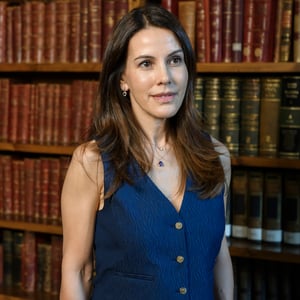
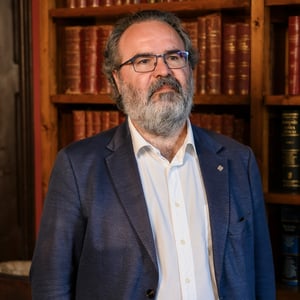
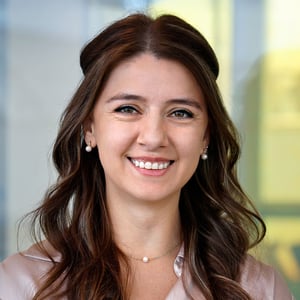
Attending the round table were: Silvia Misiti, Director of IBSA Foundation, and Alessandro Ruggiero from IBSA Group, together with Luis Calvo from the CSIC Delegation in Catalonia. With them were three representatives from Spain’s scientific community:
-
Lluis Montoliu, Scientific Researcher at CSIC, Deputy Director of the National Centre for Biotechnology (CNB) and researcher at the Biomedical Research Networking Centre on Rare Diseases (CIBERER), Carlos III Health Institute (ISCIII);
-
Elena Labarta, Gynaecologist specialising in reproductive medicine, Clinical Research Coordinator at IVI RMA Valencia and Clinical Researcher at the IVI Foundation, La Fe Hospital, Valencia;
-
Mar Porras, President of the STEM Women Association.
It was clear from the meeting that, despite recent institutional investments, young researchers in Spain are still having to contend with short contracts, intermittent funding and uncertain career paths. Retaining talent and offering stable working conditions remains one of the more pressing challenges for Spain's research ecosystem and, more widely, across Europe.
The key role of the IBSA Foundation Fellowships
Since 2013, IBSA Foundation has continued to support young scientists under 40 during the most critical and delicate stages of their careers. In a context where public funding is often intermittent and contract stability takes a long time to arrive, the Fellowships are a fundamental resource.
The total of 398 applications in 2025, nearly ten times the number in the first year (41), speaks to how much this type of support is long-awaited and recognised by the international scientific community.
The 2026 Call
At the ceremony, IBSA Foundation announced the launch of the new 2026 call for applications, with important news: in light of the consistent growth in applications and the high scientific calibre of the projects received, the number of scholarships has been increased from 6 to 7. This is a sign of the Foundation's commitment to increasing its support for independent research and for young scientific talent at international level.
2025 Fellowship Winners
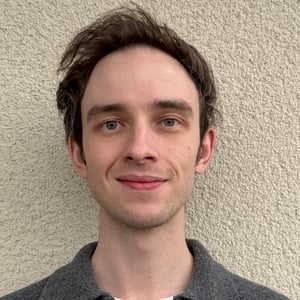
Dermatology
Matthew Hunt
Division of Dermatology and Venereology, Department of Medicine (Solna), Karolinska Institutet (SE)
Project:
Project short description: Cutaneous melanoma is the most aggressive and deadly form of skin cancer, one of the fastest growing types of cancers worldwide. Mutations in NRAS account for roughly 20% of melanoma cases, and NRAS-mutant melanomas lack specific and effective treatments as well as being beset by treatment resistance. In addition, treatment options become limited in the instance of resistance and subsequent progression. As such, new avenues of treatment strategies are needed in order to improve patient outcomes. One such area that will be investigated in this project is that of targeting mitochondria and its quality control mechanism, mitochondrial dynamics. Despite emerging evidence suggesting that mitochondrial dynamics regulate progression and resistance mechanisms in other cancers through mediating alterations in metabolism and cell fate signalling, their role in NRAS-mutant melanoma remains unexplored. Preliminary data suggested that elevated expression of core mitochondrial fission regulators Drp1 and MIEF2 was associated with poorer survival, pro-oncogenic signalling cascades, and immune evasion in NRAS melanoma patients. By quantifying the expression of Drp1 and MIEF2 in NRAS melanoma patient tissue, as well as investigating both tumour cell behaviour as well as mitochondrial morphology and metabolism in NRAS cell lines following CRISPR/Cas9 knock-out of Drp1 or MIEF2, this project will determine whether targeting mitochondrial dynamics represents a functional vulnerability and a preclinical rationale for a novel treatment strategy for this clinically significant cancer subtype.

Endocrinology
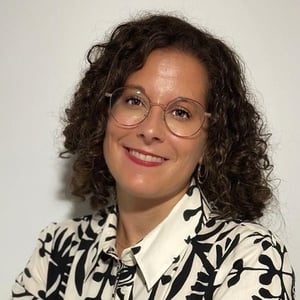
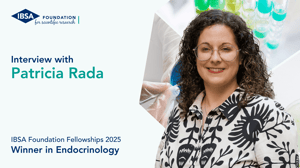
Patricia Rada
Centro de Investigación Biomédica en Red de Diabetes y Enfermedades Metabólicas Asociadas (CIBERDEM), ISCIII; Instituto de Investigaciones Biomédicas Sols-Morreale (IIBM), Consejo Superior de Investigaciones Científicas–Universidad Autónoma de Madrid; Instituto de Investigación Sanitaria La Paz (IdiPaz), Madrid
Project:
Pancreatic steatosis represents an emerging metabolic disorder characterized by ectopic lipid accumulation within the pancreatic tissue. Its prevalence parallels the global rise in obesity and is closely associated with insulin resistance, type 2 diabetes mellitus (T2DM), and metabolic dysfunction–associated steatotic liver disease (MASLD). Although the pathophysiology of hepatic steatosis has been widely studied, the mechanisms underlying pancreatic steatosis remain poorly defined. Fat deposition in the pancreas induces chronic low-grade inflammation and lipotoxicity, impairing β- cell function and perpetuating the bidirectional liver–pancreas interaction described as the twin-cycle hypothesis. Macrophages and adipocytes play a central role in this process by secreting proinflammatory cytokines, chemokines, and adipokines which disrupt islet homeostasis and exacerbate insulin secretory dysfunction. Emerging evidence suggests that immune-cell signaling pathways critically influence these inflammatory responses. Among them, the Protein Kinase D (PKD) family—particularly the PKD2 isoform—has gained attention for its potential role in modulating inflammation. While PKD1 has been linked to insulin secretion and pancreatic injury, the contribution of PKD2 remains largely unexplored. This project therefore aims to determine whether PKD2 deficiency in myeloid immune cells alters inflammatory and metabolic responses in pancreatic steatosis, providing novel insights into T2DM and MASLD pathogenesis.

Fertility/Urology
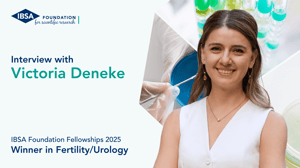
Victoria Deneke
Research Institute of Molecular Pathology (IMP Vienna), Vienna (AT)
Project:
Fertilization, the union of sperm and egg, is the fundamental biological event that initiates the development of all sexually reproducing organisms. Despite its importance, the molecular mechanisms underlying sperm-egg fusion remain poorly understood. My postdoctoral work has contributed to elucidating these mechanisms by our breakthrough discovery of a conserved sperm complex that mediates sperm-egg interaction across vertebrates (Deneke, Blaha et al., 2024). Our recent unpublished findings show that this complex is composed of even more factors which are conserved in humans, linking all previously known factors into one multi-subunit complex, the SPARK complex. However, how the SPARK complex mechanistically drives membrane fusion remains unclear, and uncovering this fundamental gap in knowledge will be required to understand how fertilization works. I propose a two-step model driving vertebrate fertilization: the SPARK complex is first activated by egg receptor binding and subsequently triggered for fusion by membrane proximity. To test this model, I will first determine how egg receptors in fish and mammals modulate the SPARK complex to initiate fusion competency (Aim 1). Second, I will map functionally critical "hotspots" and fusogenic domains within the complex to identify the conformational changes required for membrane insertion and fusion (Aim 2). I will employ zebrafish as the primary model system as their external fertilization, abundant gamete supply, and molecular conservation with humans make them ideally suited for biochemical and structure-function studies. My findings will elucidate the molecular mechanisms of sperm-egg fusion and have direct implications for understanding idiopathic infertility, improving assisted reproductive technologies (ART), and developing novel contraceptive strategies.

Healthy Aging - Regenerative medicine
Indranil Singh
Department of Stem Cell and Regenerative Biology, Harvard University, Cambridge, MA (USA); Biology of Adversity Project, Broad Institute of MIT and Harvard, Cambridge, MA, (USA)
Project:
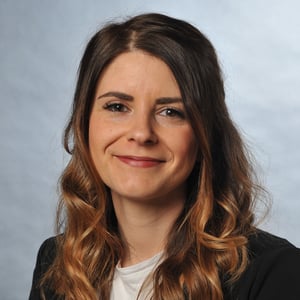
Chronic psychosocial stress is a strong predictor of morbidity and premature mortality and is associated with immune changes that closely resemble aging, including myeloid bias, chronic inflammation, and stem cell expansion (1-5). Yet how a transient psychosocial experience produces a durable, aging-like biological imprint remains unresolved. Our preliminary data from chronic social defeat stress indicate that hematopoietic stem cells (HSCs) activate an innate antiviral-like sensing program accompanied by metabolic rewiring and altered chemokine tone. We propose that these stress-evoked signals write persistent chromatin programs in HSCs that phenocopy immune aging, leading to sustained inflammatory output and reduced regenerative capacity of blood stem and progenitor cells. We hypothesize that psychosocial stress engages innate sensing pathways in HSCs to install long-lived epigenetic programs that bias hematopoiesis toward inflammatory aging at the expense of immune regeneration. We will: (i) define stress-induced immune aging trajectories by integrating longitudinal immunophenotyping with single-cell epigenomic profiling across tissues; (ii) link persistent epigenomic imprints in HSCs to functional decline in immune responsiveness and clonal output; and (iii) establish causality and reversibility by transiently blocking key “writer” pathways during the imprinting window and assessing long-term rescue of chromatin state, clonal architecture, and immune function. Together, our work will identify stress-induced HSC reprogramming as a modifiable driver of premature immune aging, reveal critical intervention windows, and uncover actionable targets to preserve immune regeneration and promote a healthy lifespan.

Healthy Aging/Regenerative Medicine
Silvia Sideri
Department of Anatomy, Histology, Forensic Medicine and Orthopaedics, Section of Histology and Medical Embryology, Sapienza University, Rome (IT)
Project:
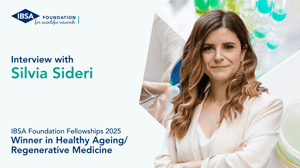
Aging is an irreversible physio-pathological process leading to the progressive decline of biological functions critical for survival. Although some age-related changes can be considered benign features, bad aging is associated with the loss of homeostatic defense and progressive deterioration of biological functions. Indeed, aging is a risk factor for chronic diseases, increasing interest in basic and clinical research. It is known that inflammation and oxidative stress represent key factors contributing to aging-induced alterations in tissue function. Of note, Interleukin-6 (IL-6) is considered a potential connecting link between inflammation and oxidative stress. Moreover, IL-6 serum levels were strongly associated with mortality in very old people, however, how high IL-6 levels contribute to age-related alterations still remains a missing link in biomedical research. To this end, the main goal of this project is to define the action of IL-6 during aging and to identify protective mechanisms induced by inhibition of IL-6 transignalling on age-associated defects. Here we propose a pharmacological approach specifically targeting with the soluble IL-6 receptor (sIL-6R), which promotes pro-inflammatory and catabolic effects induced by IL-6. An important mechanism associated with cell aging is DNA methylation, an index of “good and bad” aging. DNA methylation analysis of specific clocks will determine whether the inhibition of a key factor, such as sIL-6R, contributing to oxy-inflammation can induce biological rejuvenation. Thus, the proposed project will focus on three specific aims: i) To monitor the aging process in IL-6 transignalling blockade mice; ii) To assess skeletal muscle integrity in aged mice under IL-6 transignalling blockade; iii) To evaluate if IL-6 transignalling blockade rejuvenates tissues via epigenetic clock modulation.

Pain medicine - Rheumatology - Orthopedics
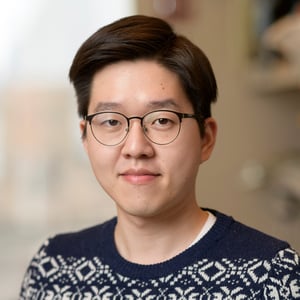
Youngjun Kim
Department of Biomedical Research, University of Bern (CH)
Project:

Sjögren’s disease (SjD) is a systemic autoimmune disorder characterized by chronic inflammation of the salivary glands, leading to sicca symptoms, fatigue, pain, and a markedly increased risk of B-cell lymphoma. Despite its high disease burden, therapeutic options remain limited to symptomatic management, reflecting an incomplete understanding of the cellular and molecular mechanisms sustaining chronic glandular inflammation. While immune dysregulation is a hallmark of SjD, emerging evidence suggests that stromal cells actively shape inflammatory niches within the affected tissue. However, the nature and functional relevance of immunestromal interactions in SjD remain poorly defined. This project aims to dissect the immune-stromal crosstalk that drives persistent inflammation and glandular dysfunction in SjD by combining single-nuclear (sn) multiome profiling with functional validation. Using matched minor salivary gland (MSG) biopsies and peripheral blood samples from well-characterized SjD patients, the project will generate an integrated transcriptomic and epigenomic tissue and peripheral blood atlas. This approach will enable the identification of disease-specific cellular populations, regulatory programs, and intercellular communication networks that sustain chronic inflammation. Key immune-stromal interaction pathways emerging from these analyses will be functionally tested using ex vivo co-culture systems and precision-cut salivary gland tissue slices to establish causality and therapeutic relevance. Overall, this project seeks to provide a mechanistic framework for how immune and stromal cells cooperate to perpetuate SjD pathology. By uncovering novel regulatory circuits and interaction networks, it aims to identify candidate pathways for targeted intervention, ultimately contributing to the development of disease-modifying strategies for SjD.
Research Equity Prize

Healthy ageing - Regenerative medicine
Hernan Andres Morales Navarrete
Bio-Cheminformatics Research Group, Universidad de Las Américas (UDLA), Quito (EC)
Project:
Liver regeneration after partial hepatectomy requires the coordinated restoration of hepatocyte polarity, sinusoidal organization and bile canalicular networks. Although the molecular pathways of regeneration are well characterized, the three-dimensional structural principles that guide effective tissue repair are still poorly understood. Highresolution imaging reveals that organs encode repair progress through quantifiable spatial patterns, yet no framework currently exists to learn these patterns across the regenerative process. This project will develop an artificial intelligence based approach to identify the latent geometric signatures that characterize successful liver regeneration. Using single-cell resolved 3D confocal datasets from early regenerative stages, we will extract multi-scale descriptors of polarity orientation, local alignment fields, epithelial organization, sinusoidal topology and bile canaliculi connectivity. These descriptors will be integrated through graph-based representation learning and manifold modeling to build a Regeneration Map: a low-dimensional representation that traces the progression of architectural states during repair. From this learned representation, we will compute a 'Regeneration Score' that provides an interpretable measure of regenerative progression based solely on tissue architecture. The score has the potential to detect early deviations associated with impaired repair, aging or metabolic dysfunction, offering a new structural perspective for evaluating tissue health. The project will be carried out at Universidad de Las Américas-Quito using an established reconstruction pipeline and accessible computational tools. All methods will be released as open-source resources with minimal hardware requirements, supporting adoption in laboratories with limited infrastructure. By combining regenerative biology, quantitative morphology and AI, the project creates a new framework for understanding liver regeneration.