
Arts and Culture on Prescription:
the first clinical study in Switzerland
Lugano città pilota dell'iniziativa
IBSA Foundation esplora da tempo il legame tra scienza e benessere sociale, promuovendo progetti che mettono al centro la persona e le sue relazioni. Oggi è sempre più evidente che la salute non riguarda soltanto l’aspetto medico, ma nasce anche dai legami, dalla cultura e dalla partecipazione.
Lo studio clinico "Arte su prescrizione medica" porta questa innovazione a Lugano, con l'obiettivo di esplorare l'impatto delle attività artistiche e culturali sulla salute. L'iniziativa prevede percorsi culturali studiati da medici ed esperti e costruiti sui tuoi interessi, per portare benefici reali, stimoli e nuove connessioni nella tua vita quotidiana.
Requisiti per partecipare
-
Hai più di 65 anni
-
Soffri di pressione alta, diabete, obesità, bronchite cronica, apnee del sonno o gotta
-
Sei residente nel Luganese

Lugano città pilota dell'iniziativa
IBSA Foundation indaga da anni il rapporto tra scienza e benessere sociale, sostenendo iniziative che pongono la persona e le relazioni al centro. Oggi è sempre più chiaro che la salute non è solo una questione medica, ma si costruisce anche attraverso i legami, la cultura e la partecipazione.
Lo studio clinico "Arte su prescrizione medica" porta questa innovazione a Lugano, con l'obiettivo di esplorare l'impatto delle attività artistiche e culturali sulla salute. L'iniziativa prevede percorsi culturali studiati da medici ed esperti e costruiti sui tuoi interessi, per portare benefici reali, stimoli e nuove connessioni nella tua vita quotidiana.
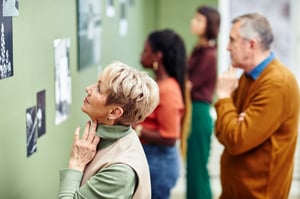
Requisiti dei partecipanti
- Over 65 anni
- Con problemi di pressione alta, diabete, obesità, bronchite cronica, apnee del sonno o gotta
- Residenti nel Luganese
"Arts and Culture on Medical Prescription. The impact of cultural prescribing on the health of the older population living in Lugano" is a clinical study exploring the positive impact of artistic and cultural activities on the health and well-being of people over 65.
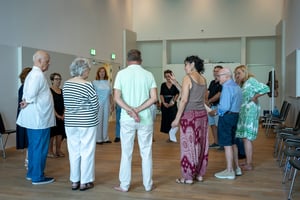

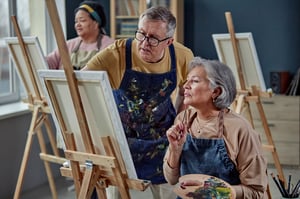
Painting, photography, music, dance, theatre and museum therapy become part of a structured, personalised programme. Each participant is supported in choosing the activities best suited to their interests and needs, with the aim of observing possible effects on well-being, quality of life and social connection.
Lo studio in numeri



Un appuntamento settimanale con attività artistiche e culturali.

All’inizio dello studio, dopo 6 mesi e dopo 12 mesi.
Articoli di approfondimento
Come funziona la prescrizione culturale e quali evidenze scientifiche la sostengono? In diversi Paesi europei la prescrizione culturale è già parte dei servizi sanitari. Le ricerche indicano benefici ricorrenti: meno isolamento grazie alle attività di gruppo, miglior benessere mentale (riduzione di ansia e sintomi depressivi), maggiore attivazione fisica e cognitiva e un più forte senso di scopo e appartenenza. Alcuni studi preliminari suggeriscono anche miglioramenti di parametri come pressione arteriosa e qualità del sonno.





Come funziona il percorso
Per sei mesi si sono svolti incontri settimanali dedicati a discipline come pittura, fotografia, musica, danza, teatro e museoterapia, condotti da mediatori culturali specializzati e formati per il progetto, in collaborazione con LAC Edu.
Durante il percorso sono stati raccolti dati attraverso questionari, valutazioni cliniche e smartwatch, per monitorare i cambiamenti su salute mentale, benessere, parametri fisiologici e qualità della vita. Parallelamente, un sotto-studio qualitativo ha raccolto le esperienze di partecipanti, medici e operatori attraverso interviste dedicate.
Lo studio è ora nella sua fase conclusiva. I dati raccolti vengono analizzati per valutare la fattibilità e l’accettabilità della prescrizione culturale e per approfondire il possibile ruolo delle attività artistiche e culturali nei percorsi di salute. I risultati saranno comunicati al termine dello studio.
Come si svolge?
-
Selezione
Se ritieni di essere idoneo del progetto, sulla base dei requisiti contattaci, ti metteremo in contatto con il team multi-disciplinare.
-
Assegnazione dell’attività
Un link worker (un professionista formato) ti incontra e costruisce insieme a te un'attività da svolgere con cadenza settimanale per almeno sei mesi.
-
Monitoraggio del percorso
Link worker, medico e operatore culturale seguiranno l’andamento delle attività, intervenendo tempestivamente in caso di difficoltà o necessità di adattamento.
-
Valutazione dei risultati
Il team multidisciplinare valuterà gli impatti qualitativi e quantitativi delle attività sul benessere dei partecipanti.
From experimentation to a possible new model of care
The study does not only aim to observe the effects of cultural activities on individual participants. It also seeks to understand whether cultural prescribing could become a realistic, acceptable and replicable model, capable of connecting family medicine, research, culture and the local community.
The results may help build new scientific evidence and inform the debate on integrating culture into future cantonal and federal health policies.