


A workshop and roundtable between research and education, to reflect on digital identity and well-being.

Boston, April 2026 – IBSA Foundation landed in the United States with a new event in Boston, hosted and co-organized by Swissnex on April 27. The initiative offered an afternoon dedicated to the relationship between digital identity and adolescent well-being, structured around an experiential workshop and a roundtable discussion, both free and open to the public.
Back in 2023, the Foundation had already collaborated with Swissnex in Boston, in a dialogue between art and medicine. The 2026 event is part of a broader journey, reflecting IBSA Foundation's increasingly structured international presence and its ability to connect diverse cultural and scientific contexts.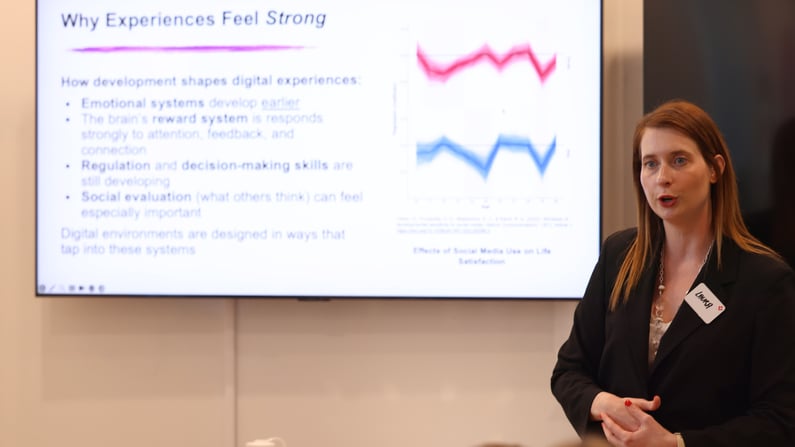
The workshop: Exploring digital identity through art
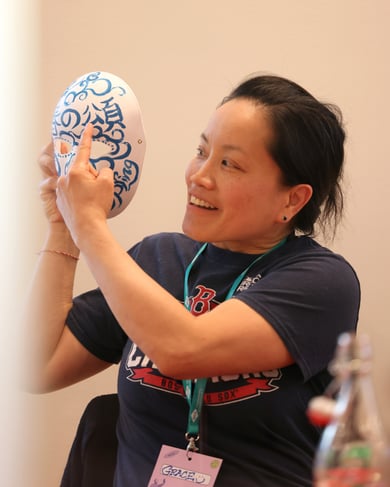
Opening the afternoon, the workshop Happiness 2.0: Performing the Digital Self offered participants an experiential path to explore the relationship between online and offline identity. Following a scientific introduction to the topic, students, parents, and educators painted masks to visually represent how they present themselves in the digital world and how they perceive themselves in reality, prompting reflection on the gap between real and digital identity.
The workshop is part of the Happiness2.0 project, developed in Lugano in collaboration with Professor Laura Marciano, USI, and Lugano Living Lab.


A roundtable on adolescent well-being in the digital world
Closing the afternoon, the roundtable Growing Up Online: Interactive Media and Youth Well-Being brought together experts in research, education, and digital health for an open conversation around a question of growing relevance: how can we better understand and support adolescent well-being in an increasingly digital world?
In recent years, many countries have introduced restrictions on smartphone use in schools and access to social media, aiming to improve focus and youth well-being. However, the latest research suggests that these measures alone are not enough. A more nuanced approach is needed, one that goes beyond simple restrictions and puts concrete tools for more conscious digital experiences at the center.
The discussion also addressed how to measure digital well-being. Moving beyond screen time as the sole metric, speakers explored more meaningful dimensions: sense of belonging, autonomy, identity construction, and resilience. Alongside the risks, the panel highlighted the opportunities that digital environments can offer young people in terms of connection, creative expression, and health education.
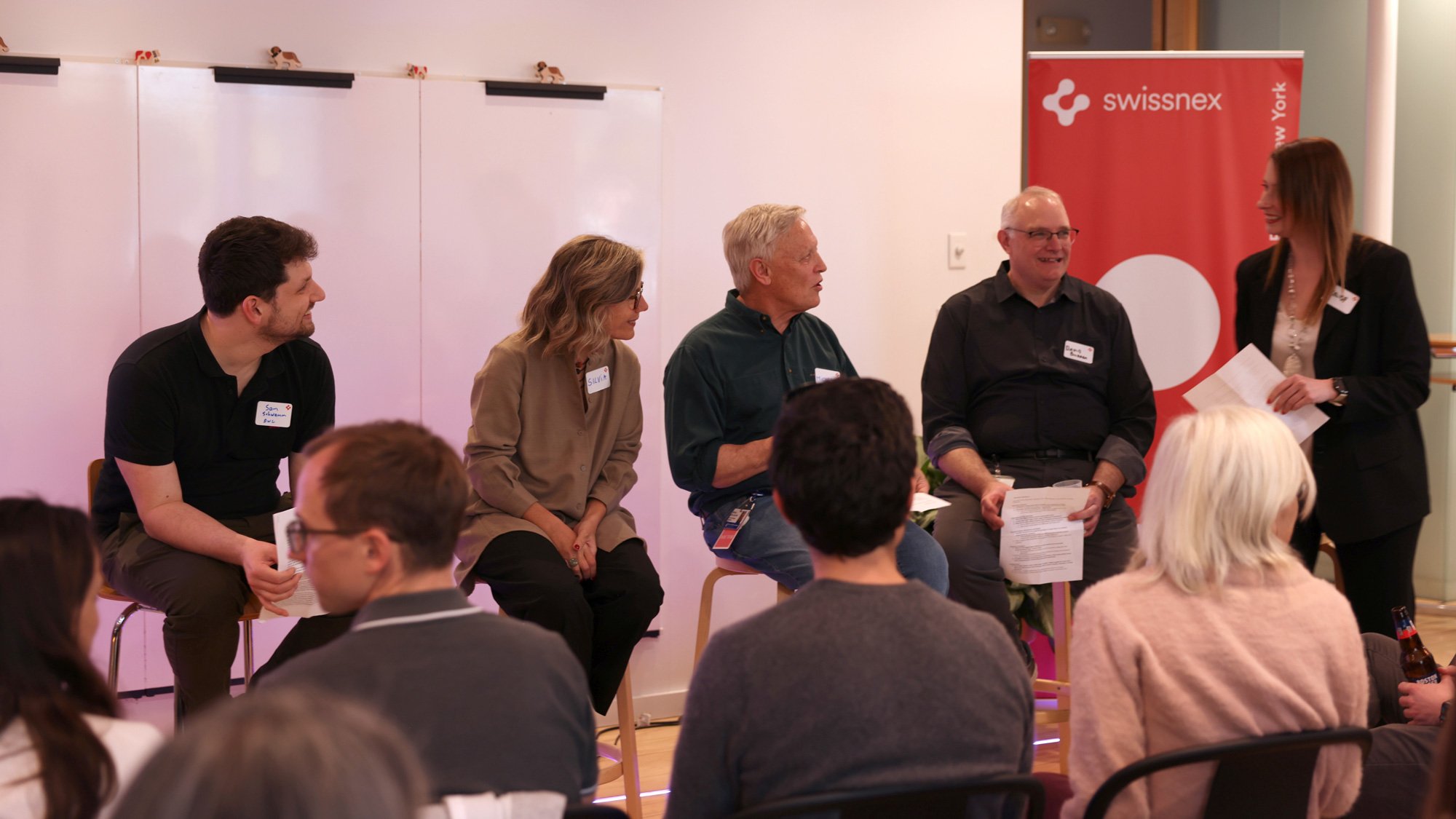
Among the speakers:
-
Dr. Michael Rich, Founder and Director of the Digital Wellness Lab at Boston Children's Hospital and Associate Professor of Pediatrics at Harvard. A filmmaker before becoming a physician, he has built a unique research path on the capacity of screens to engage, connect, and transform young people, and founded the Clinic for Interactive Media and Internet Disorders.
-
Dr. David S. Bickham, Research Director of the Digital Wellness Lab and Assistant Professor at Harvard. His research examines how specific aspects of social media and technology can alleviate or worsen depressive symptoms and other mental health issues, including work with clinical samples of adolescents with Problematic Interactive Media Use.
- Prof. Laura Marciano, Assistant Professor at the Media School of Indiana University Bloomington and associate of the Digital Wellness Lab. Her research explores the effects of digital media use on adolescent well-being, combining surveys, smartphone data, and digital biomarkers.
IBSA Foundation's Perspective.
Representing the Foundation, Silvia Misiti, Director of IBSA Foundation:
This event confirmed that research on young people's digital well-being is still a work in progress, one that calls together different actors: researchers, clinicians, educators, and families, each holding part of the answer. There are still many questions to explore and many practices to test, but there is also much we can already build together. The collaboration between the Digital Wellness Lab and the European scientific community demonstrates how valuable and necessary international exchange truly is: the challenges of growing up in the digital age know no geographic boundaries, and for that very reason require shared responses, grounded in research and capable of translating into practical tools for families, educators, and institutions. IBSA Foundation wants to continue to be part of this process: bringing science out of the laboratory, fostering dialogue between cultures and disciplines, and helping to build the spaces, both physical and digital, where these conversations can take place.